Pets Food: Where Do You Draw The Line
Pets Food: Where Do You Draw The Line
When it comes to our beloved pets, we want nothing but the best for them. We shower them with love, care, and of course, food. The world of pet food has evolved significantly over the years, offering a wide array of options for our furry friends. However, as pet owners, it's our responsibility to ensure that the food we choose for our pets is not only delicious but also nutritious and safe. In this article, we delve deep into the world of pet food, exploring where to draw the line between indulgence and responsible pet care.
Understanding the Pet Food Market
Before we delve into the specifics of choosing the right pet food, let's take a moment to understand the vast and diverse market that exists today. The pet food industry is booming, with an abundance of choices ranging from dry kibble to gourmet meals. This diversity is a testament to our love for our pets, but it can also be overwhelming. Here, we guide you on how to navigate this ever-expanding market.
The Basics of Pet Nutrition
Dry Food vs. Wet Food
One of the primary decisions when it comes to pet food is choosing between dry and wet options. Dry food is convenient and can be left out for your pet to graze on throughout the day. Wet food, on the other hand, is packed with moisture and can help keep your pet hydrated. It's essential to strike a balance between these options to ensure your pet's overall health.
Reading Labels: What Matters?
When shopping for pet food, don't forget to read the labels. Look for keywords like "complete and balanced" to ensure your pet is getting all the necessary nutrients. Additionally, check the ingredient list – whole, recognizable ingredients like chicken, beef, and vegetables are a good sign. Avoid foods with excessive fillers and artificial additives.
Special Diets for Special Pets
Food Allergies and Sensitivities
Just like humans, pets can have food allergies and sensitivities. If your pet exhibits symptoms such as itching, digestive issues, or skin problems, it might be time to consider a specialized diet. Consult your veterinarian to determine if a limited-ingredient or hypoallergenic food is necessary.
Age-Appropriate Diets
As your pet ages, their nutritional needs change. Puppies and kittens require food rich in growth nutrients, while senior pets benefit from diets tailored to their age-related needs. Selecting the right food for your pet's life stage can significantly impact their health and longevity.
Ethical and Sustainable Choices
Beyond nutritional considerations, responsible pet owners are increasingly concerned about the ethics and sustainability of their pet food choices. It's not just about what's in the bowl; it's also about the impact on the planet and animal welfare.
The Importance of Ethical Sourcing
Many pet food companies are now emphasizing ethical sourcing of ingredients. This includes using sustainably raised meats, responsibly sourced fish, and avoiding suppliers associated with unethical practices. By choosing products with ethical sourcing, you can make a positive impact on the world beyond your pet's bowl.
Eco-Friendly Packaging
Consider the environmental footprint of the pet food you choose. Opt for brands that use eco-friendly packaging, such as recyclable materials or minimal plastic. Sustainable packaging not only benefits the planet but also reflects a brand's commitment to responsible practices.
Homemade vs. Commercial Pet Food
Some pet owners prefer to take matters into their own hands and prepare homemade meals for their furry companions. While this can be a rewarding endeavor, it comes with its own set of considerations.
The Benefits and Risks of Homemade Pet Food
Homemade pet food allows you to have full control over the ingredients, ensuring the highest quality and freshness. However, it's essential to consult with a veterinarian or animal nutritionist to create a well-balanced diet. Homemade diets can lack essential nutrients or even pose health risks if not properly formulated.
Commercial Pet Food's Convenience
Commercial pet food offers convenience and peace of mind, as most reputable brands invest heavily in research and quality control. It's a hassle-free way to ensure your pet receives all the necessary nutrients in each meal.
Conclusion: Striking the Right Balance
In the world of pet food, where options abound, it's crucial to strike a balance between indulgence and responsible pet care. Remember to consider your pet's individual needs, read labels diligently, and prioritize ethical and sustainable choices whenever possible. Whether you opt for dry kibble, wet food, or homemade meals, your pet's health and well-being should always be the top priority.
When it comes to caring for our beloved pets, their nutrition is of paramount importance. We strive to provide them with the best food to ensure their health and happiness. However, in recent years, the market for pet food has expanded to include a wide array of options, from traditional kibble to gourmet meals. This begs the question: where do we draw the line when it comes to what we feed our pets?
The Basics: Nutritional Needs
Before we delve into the various choices available, it's crucial to understand the basic nutritional needs of our pets. Dogs and cats, our most common companions, require a balanced diet that includes:
1. Proteins
Proteins are essential for muscle development, immune function, and overall vitality. They can be sourced from meat, fish, and plant-based alternatives.
2. Fats
Fats provide a concentrated source of energy and support healthy skin and coat. Common sources include animal fats and oils.
3. Carbohydrates
While not as critical as proteins and fats, carbohydrates offer a source of energy. They can be found in grains and vegetables.
4. Vitamins and Minerals
A range of vitamins and minerals is necessary for various bodily functions. These can be found in fruits, vegetables, and supplements.
5. Water
Proper hydration is essential for digestion, temperature regulation, and overall well-being.
The Spectrum of Pet Food
Now, let's explore the spectrum of pet food available and where you might consider drawing the line:
1. Commercial Kibble
Commercial kibble is the most common and convenient option for pet owners. It typically meets the basic nutritional needs of pets. However, quality varies, so it's essential to read labels and choose brands with high protein content and minimal fillers.
2. Wet Food
Canned or wet food can be a great addition to your pet's diet. It's moisture-rich and can help with hydration. Look for options with real meat or fish as the primary ingredient.
3. Homemade Meals
Some pet owners opt to prepare homemade meals for their furry friends. This can be an excellent choice if done correctly, ensuring a balanced diet with all the necessary nutrients. Consult with a veterinarian or pet nutritionist for guidance.
4. Raw Diets
Raw diets, often referred to as "raw feeding," involve feeding pets uncooked meat, bones, and organs. While proponents argue that it's closer to a natural diet, it's essential to be cautious about potential health risks and consult with a vet.
5. Gourmet and Specialized Foods
In recent years, gourmet and specialized pet foods have gained popularity. These can include organic, grain-free, or breed-specific options. While they may offer benefits, they can also come with a higher price tag.
6. Homemade Treats
Many pet owners enjoy making treats for their pets. This can be a fun and loving way to pamper your furry companion. Just ensure that the ingredients are safe and suitable for your pet's consumption.
Where to Draw the Line
Drawing the line on what to feed your pet ultimately depends on your pet's specific needs, your budget, and your values. Here are some factors to consider:
1. Consult a Veterinarian
Before making any significant changes to your pet's diet, consult with a veterinarian. They can provide guidance based on your pet's age, breed, activity level, and any specific health concerns.
2. Read Labels
For commercial pet foods, read labels carefully. Look for options with high-quality ingredients, minimal fillers, and a protein source as the primary ingredient.
3. Budget Considerations
Consider your budget when exploring different pet food options. While premium foods can offer benefits, they might not be sustainable for everyone.
4. Balance and Variety
Regardless of the type of food you choose, aim for balance and variety in your pet's diet. Mixing different types of foods can help ensure they receive a wide range of nutrients.
5. Special Dietary Needs
If your pet has special dietary needs or allergies, work closely with your vet to find suitable options.
In conclusion, the decision of where to draw the line in your pet's food choices is a personal one. It's important to prioritize your pet's health, happiness, and well-being while considering factors such as budget and convenience. With the right information and guidance, you can make informed choices that provide your furry friend with a nutritious and satisfying diet.
Where To Buy Vegetarian And Vegan Freeze Dried Foods Shtf Blog Modern Survival
www.shtfblog.com

Dick Smith Puppy Dog Training Toilet Pads Zeez 50 Pack 60 X 60cm Pet Supplies
www.dicksmith.com.au

Pet Lovers Centre Singapore Online Pet Shop
www.petloverscentre.com
Where do you draw the line between pet and food.
Pets food where do you draw the line. Also showing that you genuinely care about your customers and the well being of their pets through your behavior actions and the products you sell can set you apart from the competition and help to grow your business. Karen Becker a proactive and integrate. There may be a cross of lines but you get the gist. You can also get tips for starting a pet bakery business if that particular market niche interests you.
If you get ants in your pets food bowls try this. As with starting any business you'll want to learn how to differentiate and market your product run a. Where do you draw the line. Log in or sign up to leave a comment log in sign up.
Even if we may not know or agree exactly where to draw the line we can easily rule out the most gratuitous and unnecessary forms of animal exploitation and suffering simply by replacing egg dairy and flesh products including fish which account for at least 99 of all animals exploited for food. Watch the discovery channel take pictures of your own pets in move go to the zoo and observe the work of your favorite artist. In the past week you've probably eaten crops that wouldn't exist in nature or that have evolved extra genes to reach freakish sizes. And you could have bought all this without leaving the organic section.
Set your pets food bowl in a larger shallow bowl like a pie pan. All of the other. Finally read about more brands and consider attending the global pet food expo. Of course I don't think there are non human meats I wouldn't be theoretic.
Ask yourself if you want to eat it or not. The bottom line. My recommendation is that you try to observe how animals behave in real life. Product knowledge enthusiasm and belief in your products and services are key elements of any pet shop marketing plan.
Of course your quest doesn't stop here. My ability to raise or hunt them for food in a way that is less stressful and painful than their life would be as a wild animal and the economics of raising or hunting them. 4 points 1 hour ago. Think of carrots corn or watermelons all foods you might eat without much consideration.
Yet when compared to their wild ancestors even the organic varieties are almost unrecognizable. Next you'll want to visit the American pet products association to learn more about the industry. Someone suggested you draw a chalk line around the dish and the ants wont cross it and get in the food. Well now you have the knowledge needed to draw nearly all the animals you want.
If you are searching for Pets Food Where Do You Draw The Line you've come to the perfect place. We have 102 graphics about pets food where do you draw the line including images, photos, photographs, wallpapers, and more. In these page, we also provide number of graphics out there. Such as png, jpg, animated gifs, pic art, logo, black and white, transparent, etc
dogtime.com

How To Draw The Food Dog Youtube
www.youtube.com

Wcuzhvnat62fnm

Draw The Line Www Veganbulbbomcl Com 3 Pet Food Where Do You Ifunny
ifunny.co
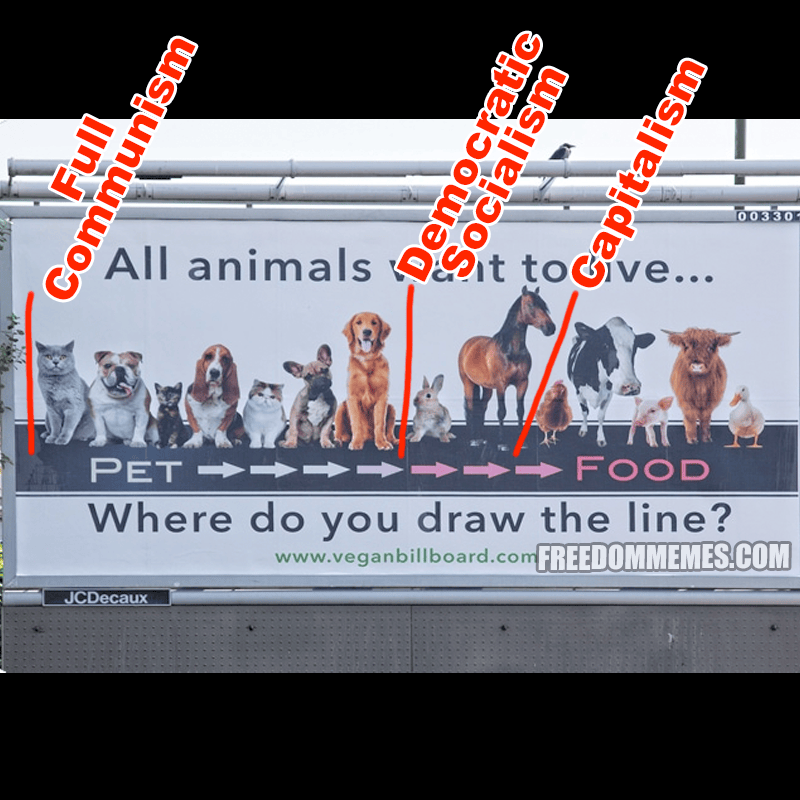
Where Do You Draw The Line On Eating Animals Depends On The Economic System Freedom Memes
freedommemes.com

Notes About Life Where Do We Draw The Line
katiejean11.blogspot.com
Drawing Of A Dog Sitting Clip Art Library
clipart-library.com
If the publishing of this web site is beneficial to your suport by discussing article posts of the site to social media accounts you have such as for example Facebook, Instagram and others or can also bookmark this website page along with the title The Finest Natural Dog Food 100 British Naturediet Natural Dog Food Naturediet Work with Ctrl + D for personal computer devices with Windows operating-system or Demand + D for personal computer devices with operating-system from Apple. If you use a smartphone, you can also utilize the drawer menu of the browser you use. Be it a Windows, Mac pc, iOs or Android os operating-system, you'll be in a position to download images utilizing the download button.


